
A man in a skirt walks down an Indian street—not applause, but stares and whispers follow. In a country where fashion is bound by gender, straight men in feminine attire spark instant backlash. While social media and celebrities challenge the norm, India’s attitude toward men’s fashion remains unchanged. Will tradition prevail, or is change on the horizon?
by Nishtha Kumar
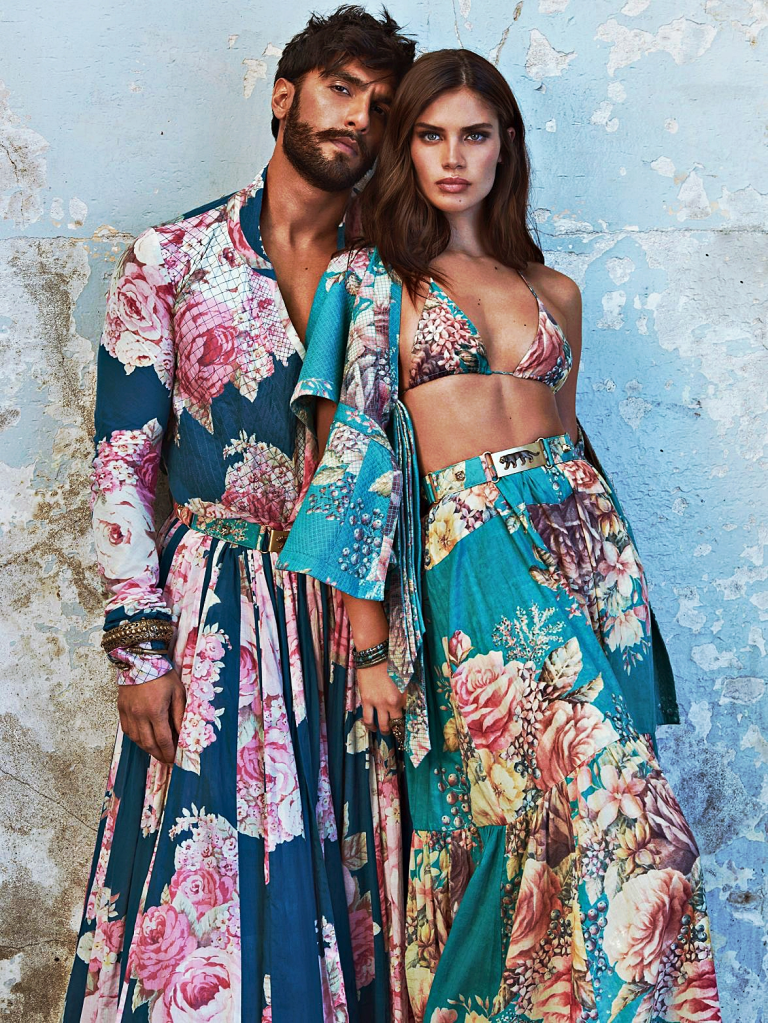

Fashion has always been termed as a form of “self-expression,” yet in India, gender norms continue to influence clothing choices. The acceptance of feminine attire on straight men remains a deep-rooted issue, reflecting cultural beliefs that have remained ingrained in Indian society.
According to the Ipsos IWD 2025 Global Survey, “78% of Indian citizens recognise the importance of achieving gender equality.” However, the same study revealed that “60% of Indians perceive stay-at-home fathers as less masculine”, indicating persistent traditional views of gender roles. The article, titled “Indians among world’s most progressive on gender equality and unbiased views toward gender stereotypes,” was published on March 8, 2025, by Madhurima Bhatia. This contradiction highlights how progressive ideals often clash with deep-seated societal expectations.
In a country where gender norms are strictly followed, Avantika Kumar, a 45-year-old homemaker in Delhi, emphasised the importance of adhering to traditional gender-specific clothing. “Skirts, dresses, and other feminine attire are called ‘feminine’ for a reason. Clothing is clearly distinguished for men and women, and it should remain that way,” she asserted. She also expressed discomfort with the idea of men wearing feminine attire in public, adding, “I would feel embarrassed if someone close to me dressed that way outside.”
Despite such conservative views, younger generations are beginning to push boundaries. Utkarsh Pant, a 20-year-old UPSC aspirant and GEHU graduate from Haldwani, acknowledges that networking sites has enabled men to explore diverse styles, though backlash is real. “Social media is helping men try new fashion trends, but at the same time, they face a lot of backlash for it,” he said.
This backlash is evident in the experiences of public figures who have experimented with gender-fluid fashion. Ranveer Singh, known for his unconventional fashion choices, once posed in black heels for Vogue India, sparking a wave of online trolling. Many users questioned his masculinity and clowned him for it, with comments such as, “Ranveer is ruining manhood in India.”
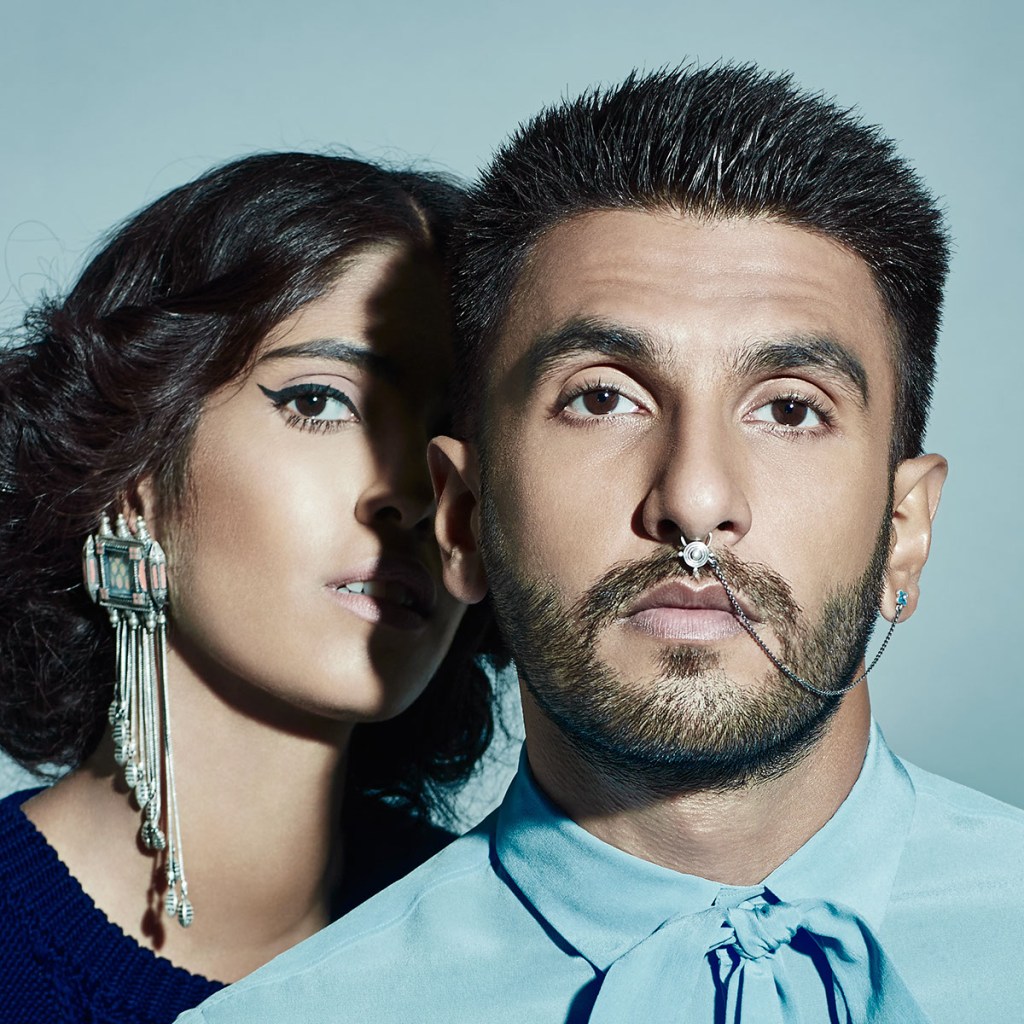
Yet, Singh continues to break boundaries unapologetically. Whether it’s wearing a nath on the L’Officiel magazine cover, sporting a skirt, layering pearl necklaces, or pulling off flamboyant silhouettes on red carpets, he does it all with fierce confidence. He’s become a symbol of fearless self-expression in Indian pop culture, refusing to shrink himself to fit into outdated masculine moulds. His attitude seems to say, “Why fit in when you can stand out?”

Similarly, Siddharth Batra, a well-known fashion influencer with 261 thousand followers on Instagram, who embraces gender-fluid styling, often faces criticism. His social media posts featuring skirts, pearl necklaces, and bold makeup choices receive comments like “This is not what Indian men should be wearing,” and “Fashion has limits; this crosses them.”These reactions illustrate the rigid expectations surrounding men’s fashion in India.
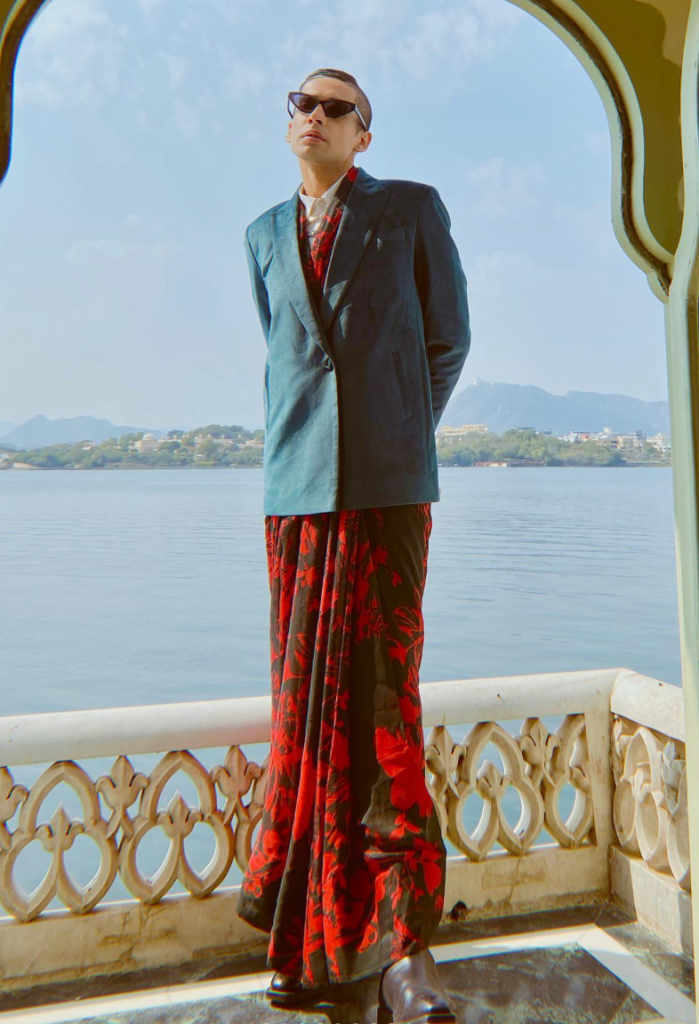
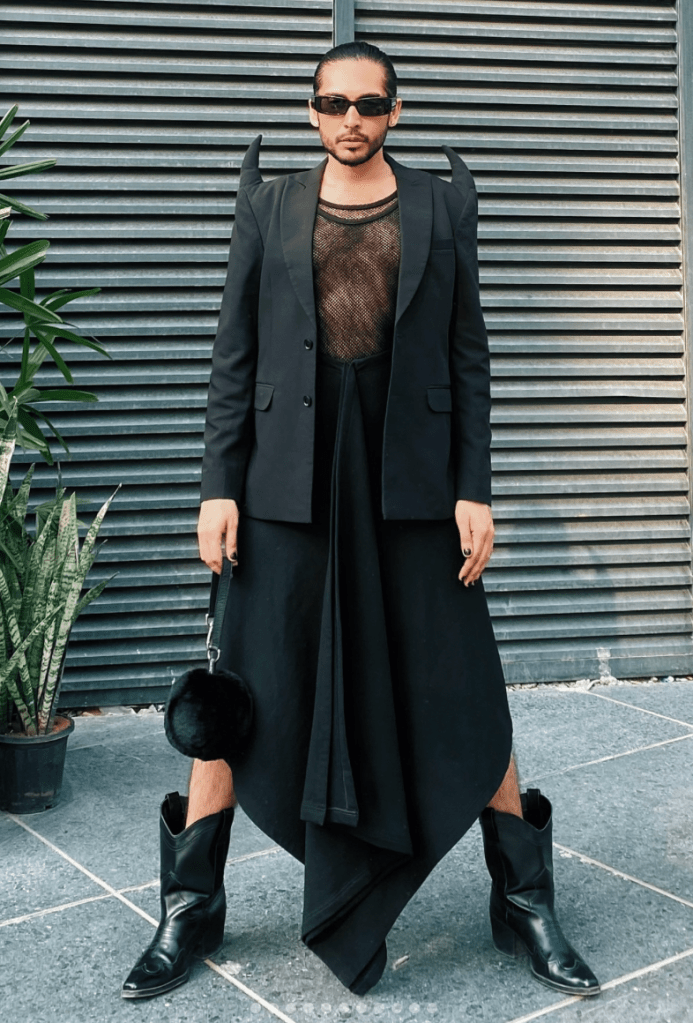


While some argue that fashion should evolve with time, others believe in maintaining traditional attire. Binod Kumar, 51, an income tax officer in Delhi, views fashion as something that should balance practicality with culture. “Fashion should evolve according to need and comfort, not just for show. Men are traditionally considered to be active, and overly feminine clothing doesn’t suit their lifestyle,” he argued. He also expressed skepticism about the acceptance of feminine attire on men in the near future, saying, “Maybe in 50 years, but even then, it will only be for photoshoots and not for daily wear.”
The generational divide in attitudes toward gender-fluid fashion is evident. While younger individuals may be more receptive to challenging traditional norms, older generations often uphold conventional beliefs. Despite global movements toward inclusivity in fashion, Let’s be real, India isn’t vibing with this anytime soon.

 GENZETTE
Leave a comment