
Medical degrees take years and years to earn, but five minutes of online searches turns everyone into an expert, or at least they think so!
by Hazel Gupta
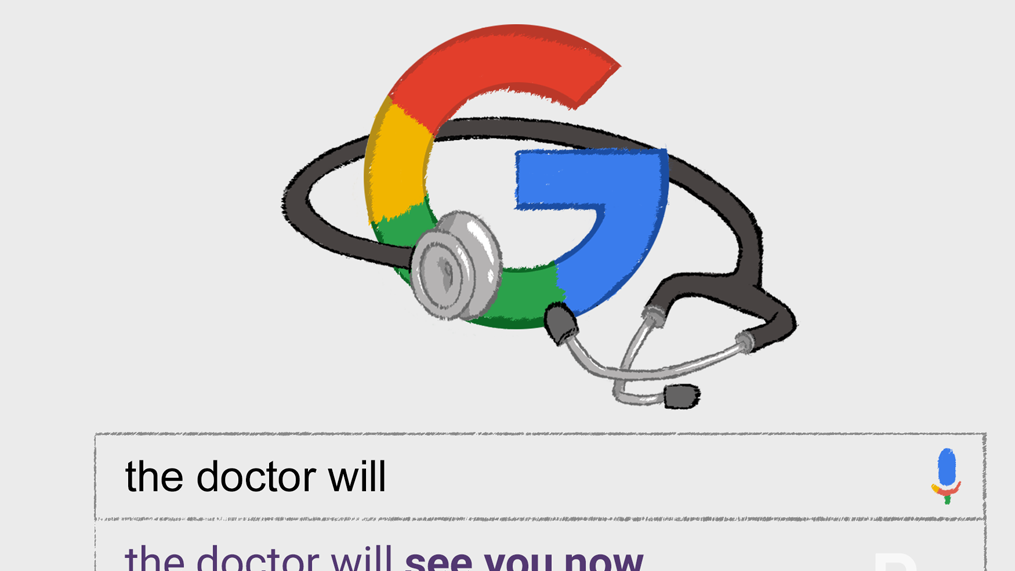
Dr. Google is the busiest doctor in the world-available 24/7, no appointment needed, and best of all, completely free. Got a cold? It might be COVID-19. Feeling tired? Could be anemia, depression, or some rare disease found in only 0.0001% of the population. A simple internet search turns mild symptoms into full-blown panic in seconds. Yet, despite knowing how unreliable online diagnoses can be, people then also trust search engines more than real doctors.
Take Rohil Sharma, a 35-year-old apparel businessman in Delhi, for example. When he started experiencing severe back pain, his wife suggested seeing a doctor. Instead, he turned to the web. After hours of research and binge-watching YouTube videos, he discovered a “miracle cure” for kidney stones-Patharchatta plant leaves, a medicinal herb. Convinced by WhatsApp forwards and comment sections, he then started consuming them daily. A few days later, his pain disappeared. Now, he swears by his discovery, telling everyone to “just do their research” because, according to him, “everything you need to know is online.”


And that’s the problem. The internet does have all the answers, even for things no one asked. Type in “Why am I sleeping a lot?” and you’ll be bombarded with possibilities ranging from simple fatigue to a life-threatening disorder. It doesn’t stop there. Search results overflow with causes, treatments, and home remedies-many of which have no medical basis, but sound convincing enough to make you rethink your entire life. It’s wild how the digital world can both diagnose and misdiagnose at the same time. Even when no cure will exists, such platforms will somehow convince you that it does, thanks to sketchy websites and “natural remedies” that sound more magical than medicinal.
The funniest (and most dangerous) part? People now fact-check their doctors using the such resources. Imagine a physician prescribing medicine, and before taking the first dose, the patient runs a full background check. “Wait, let me confirm if this is safe,” they say, as if five minutes of searching outweighs years of medical training. And online sources, being the chaotic genius they are, play both sides. First, they explain why the medication is beneficial. Then, right below, they list 25 horrifying side-effects that make you want to throw the prescription away. One moment, you’re convinced this pill will save you; the next, you’re sure it will ruin your life. What kind of sick game is this?
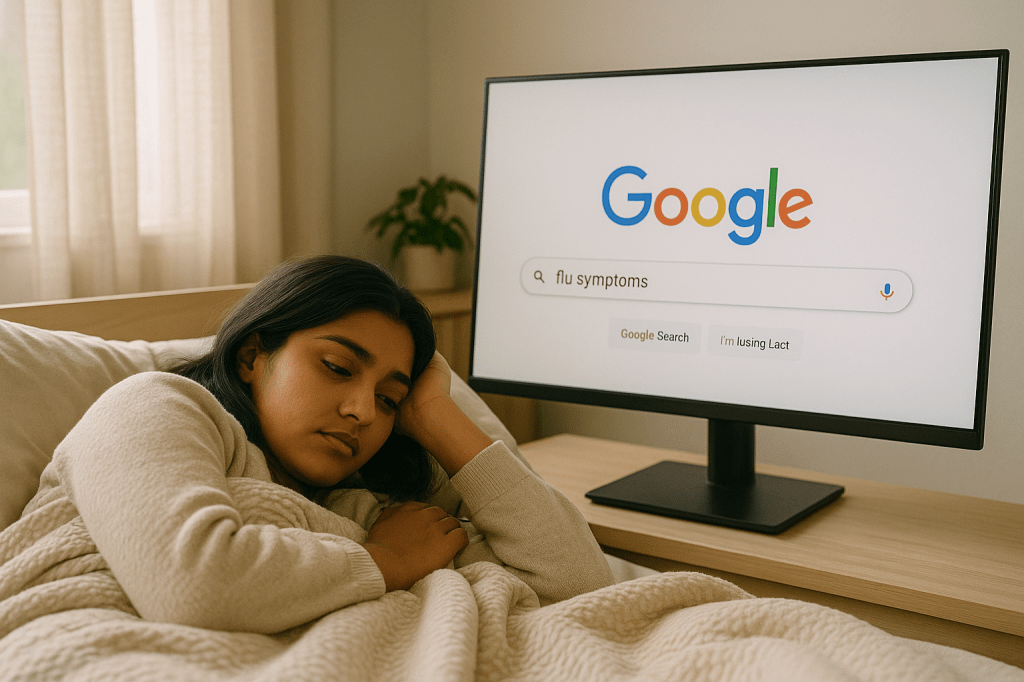
Source- Firefly
The internet has become more than just a search engine, Google is now playing doctor, pharmacist, and therapist, all at once. Some people even treat it like a personal counselor, typing in questions like, “How do I get over a breakup?” or “Why am I always sad?” then expecting a magical solution to their difficulties.
The problem isn’t online medical information-it’s blind trust in it. A quick search is fine, but it’s no substitute for a real doctor. Would you trust the internet to perform surgery? No? Then don’t let it diagnose you either. Next time you’re unwell, skip the search bar and see a professional.

 GENZETTE
Leave a comment